
In September, Montréal hosted the 2026 World Services Group (WSG) Annual Meeting, organized this year by Lavery.
More than 100 professionals from leading independent firms around the world gathered around a shared observation: businesses now operate in an environment where geopolitical, technological, climate and economic risks can no longer be considered in isolation.
Under the theme “Navigating a Fractured World – Geopolitics, Resilience, and the Future of Legal Advisory,” the program brought together business leaders, diplomats, academics, entrepreneurs and legal professionals to exchange perspectives on some of the transformations currently reshaping the business environment.
From the geopolitics of the North and artificial intelligence to the energy transition, mergers and acquisitions and supply chain security, a common thread emerged. As uncertainty becomes structural, the ability to anticipate change, adapt and make decisions despite unpredictability is becoming a strategic advantage.
Arctic Sovereignty and Critical Minerals: The North at the Centre of New Global Power Dynamics
Long perceived as a peripheral region, the North is emerging as an area where national security, strategic resources, new trade routes and the energy transition increasingly converge.
Moderated by André Vautour, Partner at Lavery, the discussion brought together Nikolaj Harris, Ambassador of the Kingdom of Denmark to Canada; Timothy Naftali, Director of the Arctic Task Force at Columbia University’s Institute of Global Politics; and Killian Charles, President and CEO of Brunswick Exploration, to explore the implications of this transformation.
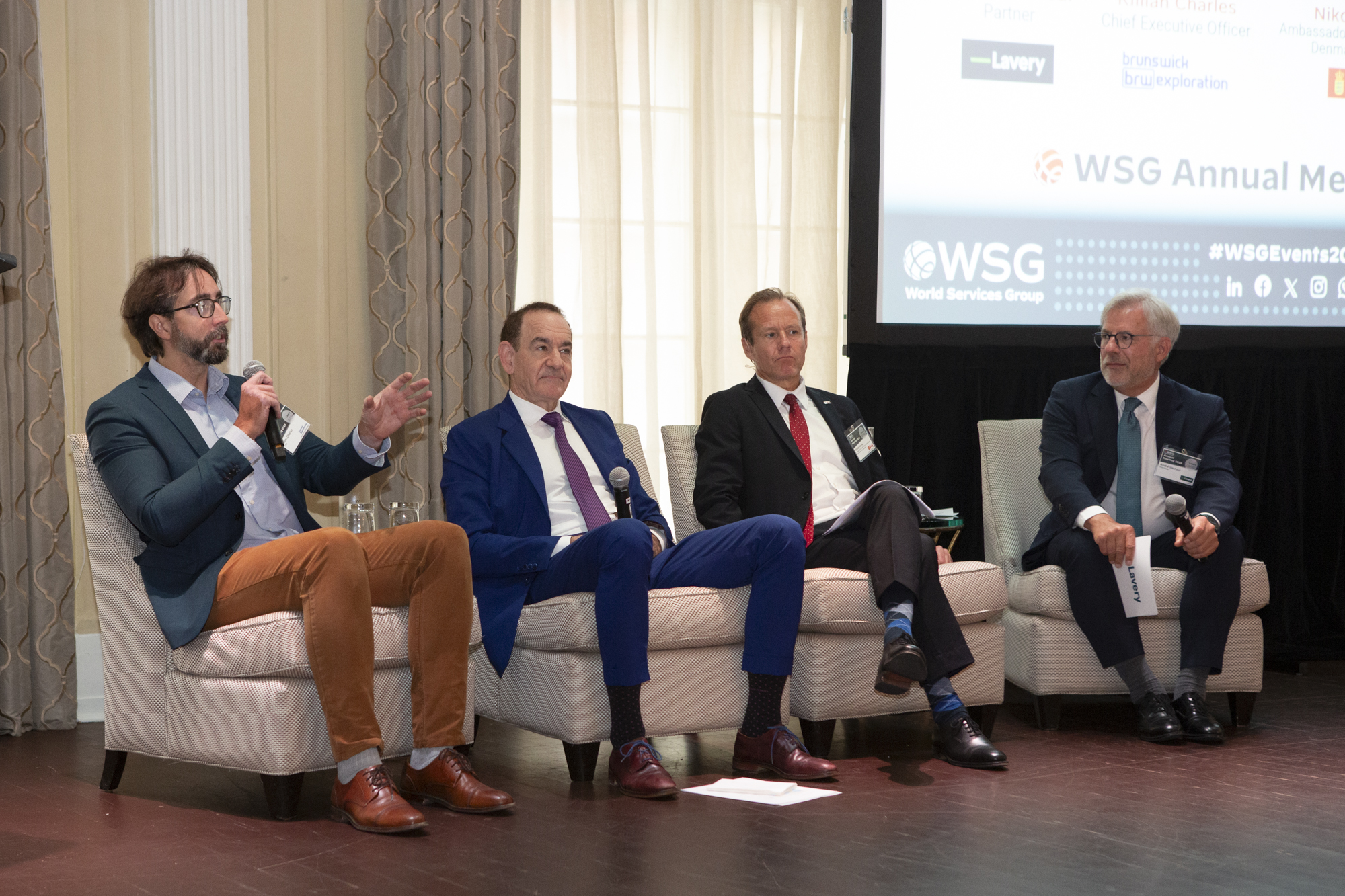
The development of critical minerals illustrates this new reality particularly well. Western economies’ efforts to reduce certain strategic dependencies are creating significant opportunities, but having resources in the ground is not enough. Access to infrastructure, capital and processing capacity, as well as the global competitiveness of individual projects, will ultimately determine their viability.
New navigation opportunities in the North could also reshape certain trade routes and, with them, considerations of sovereignty and security. The future of the North will therefore be determined well beyond its borders. What happens there could reshape supply chains, strategic dependencies and international alliances.
Energy Transition and Infrastructure: Moving from Ambition to Execution
The tension between ambition and the ability to execute was also at the heart of the discussion on infrastructure and the energy transition.
Moderated by David Tournier, Partner at Lavery, Dominique Anglade, Executive Director and Adjunct Professor, Executive Education, HEC Montréal; Éric Lachance, President and CEO of Énergir; and Alex Petre, CEO of Deep Sky, approached the transition from a pragmatic perspective.
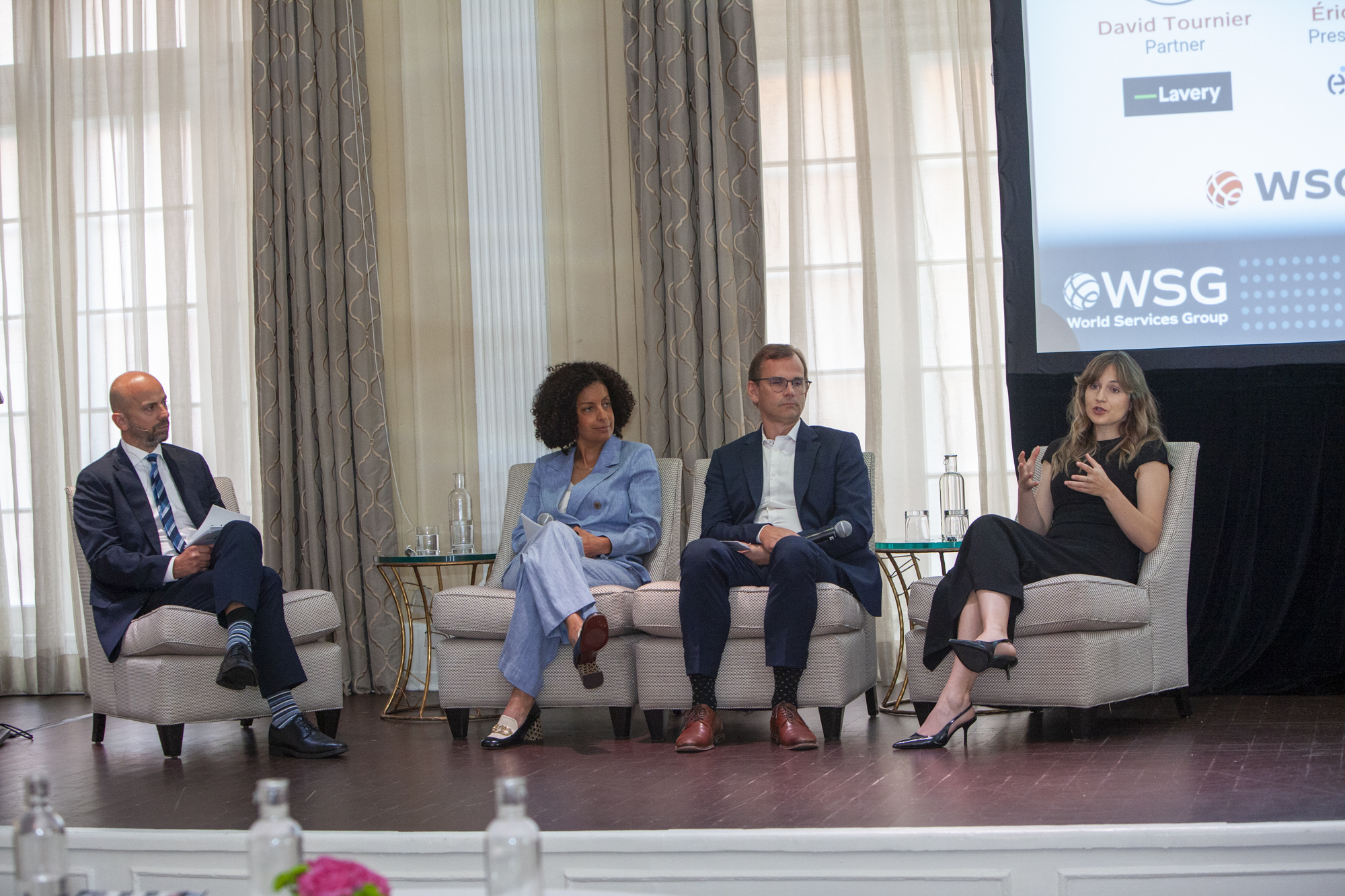
For organizations, the challenge is no longer simply determining whether they should participate in the transition, but rather how to deploy the technologies, infrastructure and business models needed to support it at scale.
This transformation also requires a different relationship with risk, including a shift toward a portfolio approach that allows organizations to experiment with different solutions while accepting that some initiatives may fail. Panelists also emphasized that reducing future emissions addresses only part of the challenge: emissions already accumulated in the atmosphere will require solutions of their own.
For major projects, success will depend as much on economic and regulatory feasibility as on the ability to engage the various stakeholders from the earliest stages of development.
Montréal and Québec: Turning Economic Disruption into Investment Opportunities
The Annual Meeting also provided an opportunity to examine Montréal and Québec through the lens of their economic potential and their ability to attract investment in a changing international environment.
In a discussion moderated by Selena Lu, Partner at Lavery, Alexandre Lagarde, Vice-President, Impact Investment and Major Projects at Montréal International, and Véronique Proulx, President and CEO of the Fédération des chambres de commerce du Québec, shared their perspectives on Montréal and Québec’s strengths, the sectors driving their economic vitality and the conditions required to remain competitive.
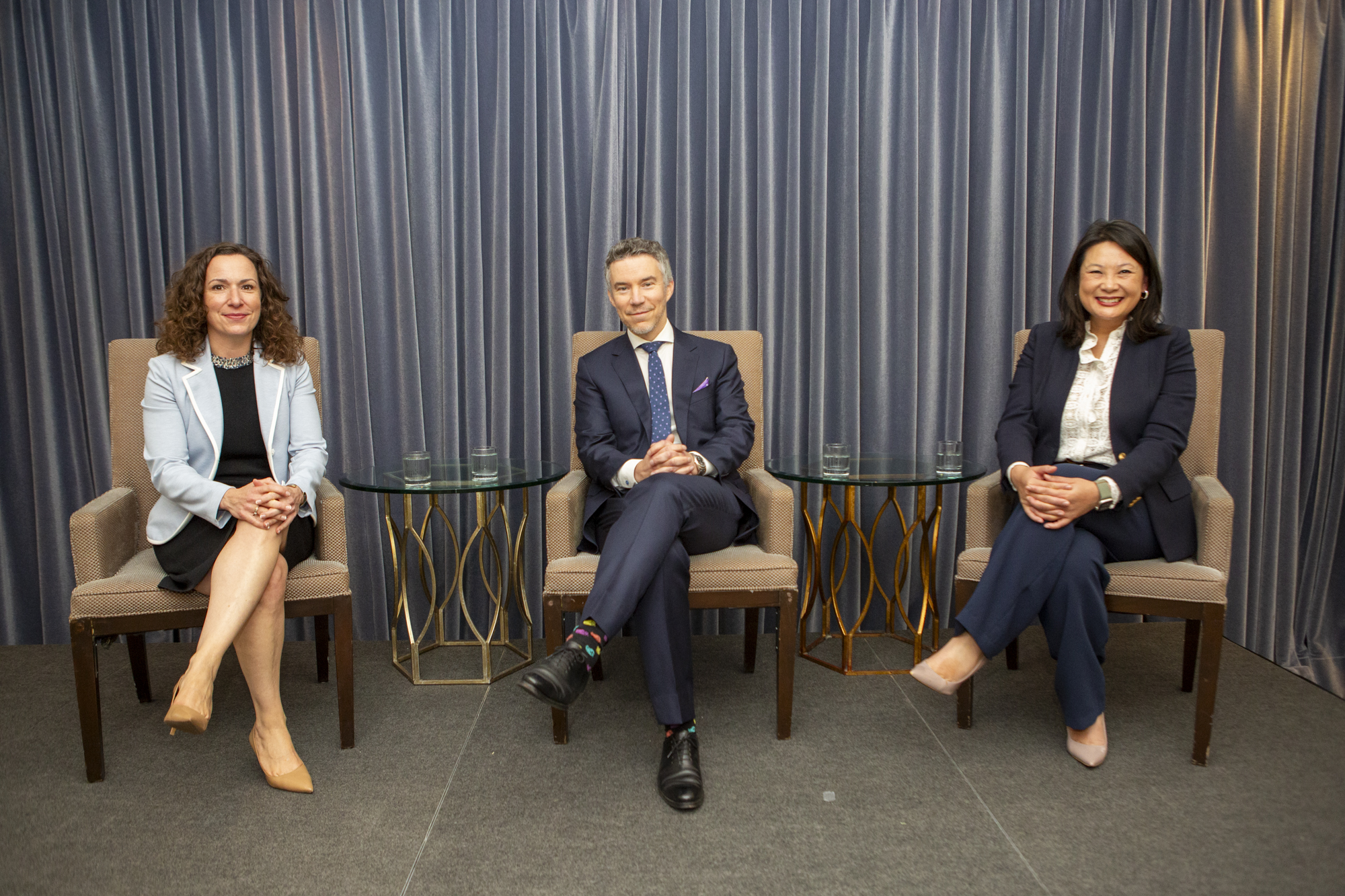
Geopolitical and economic shifts are creating a new dynamic. Major public investments, particularly in infrastructure, energy and defence, can serve as powerful catalysts for private investment and the development of new industries. Public procurement can therefore help create the conditions for businesses to establish and expand their operations, particularly in the manufacturing sector.
The discussion also highlighted opportunities that extend beyond traditional investment. Aging infrastructure across North America creates opportunities to bring in capital and expertise from other markets. At the same time, the wave of business transfers associated with Québec’s aging entrepreneurial population could create acquisition opportunities for companies seeking to establish a presence in Canada.
Artificial Intelligence, Data Governance and Technology Providers: Strategic Issues for Organizations
The discussion on artificial intelligence moved beyond the question of technology adoption to address a much more strategic issue: to what extent should an organization control the technologies, data and provider ecosystem on which its use of AI depends?
Moderated by Benoit Yelle, Partner at Lavery, the panel brought together Sophie Fallaha, Executive Director of CEIMIA; Alejandro Padin, Partner at Garrigues; and Loïc Berdnikoff, Chief Legal and Innovation Officer at Lavery.
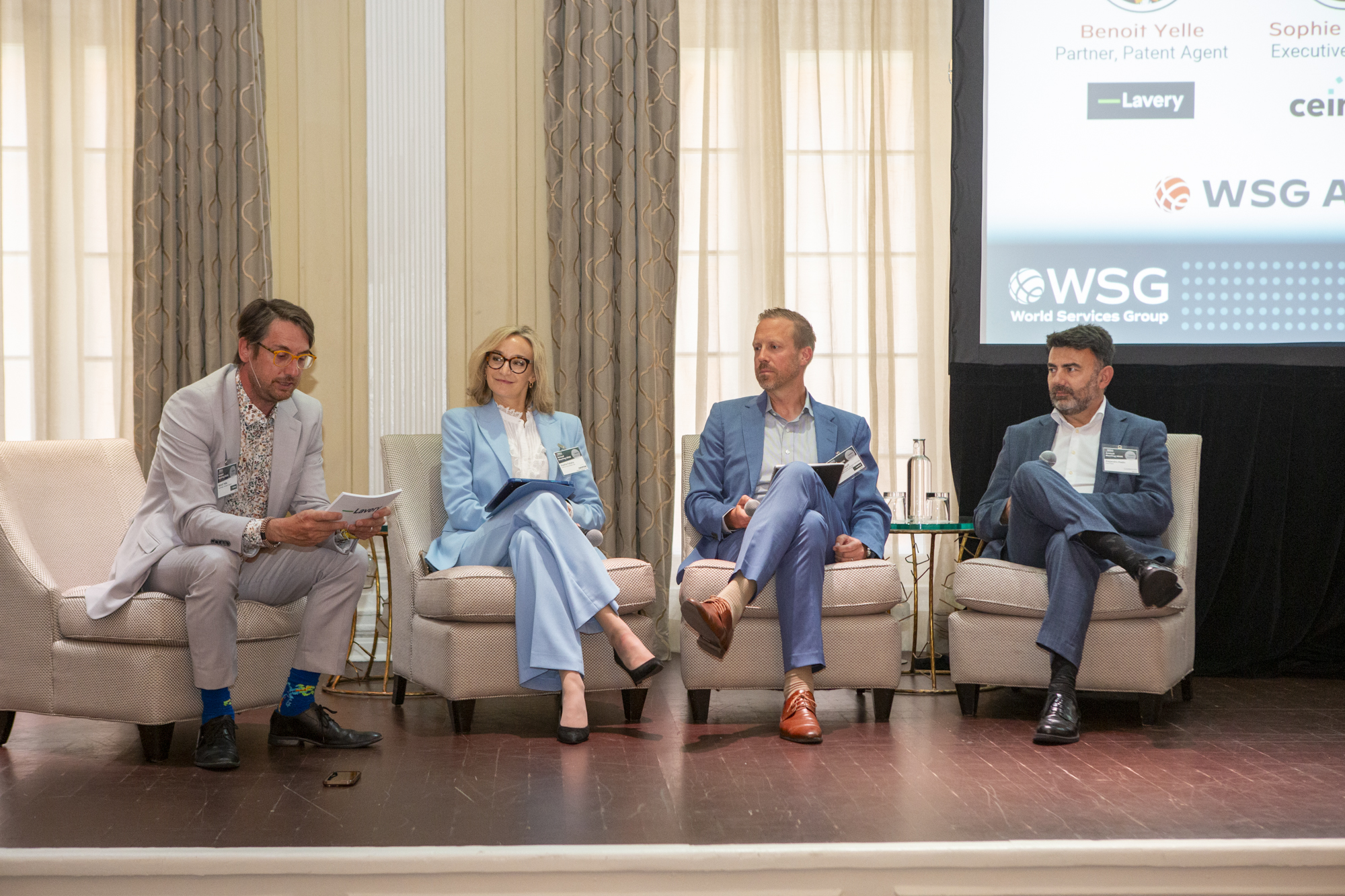
The choice between developing proprietary capabilities and purchasing existing solutions, the “build vs. buy” decision, served as the starting point for the discussion, but its implications extend much further. An organization entrusting its data to a technology provider must understand not only where that data is hosted, but also who can access it, which subcontractors are involved in the technology chain and which jurisdictions may apply. As the discussion highlighted, even when a provider claims that data remains within a particular jurisdiction, its infrastructure, redundancy mechanisms or own service providers may create much more complex data flows.
AI governance is therefore becoming inseparable from data governance. Data is a strategic asset that organizations cannot expose without understanding the associated risks, particularly in sectors where confidentiality is fundamental. For law firms, this issue takes on an additional dimension because of the very nature of the information entrusted to them.
This discussion ultimately raised the broader question of what will an organization that has truly integrated AI look like ten or twenty years from now. The challenge will not simply be to have the best tools, but to establish the governance, skills, culture and control mechanisms required to use them responsibly and create value.
In M&A, Value Is Shifting Toward Intangibles: Intellectual Property, Data, Software and Human Capital
Technological transformation is also changing what companies buy and sell.
Moderated by Selena Lu, Partner at Lavery, the panel brought together Steven Wang, Heather Buchta and Raimondo Premonte, providing perspectives from Australia, the United States and Europe, respectively. The discussion highlighted the growing importance of intellectual property, data, algorithms, software, brands, know-how and human capital in determining enterprise value.
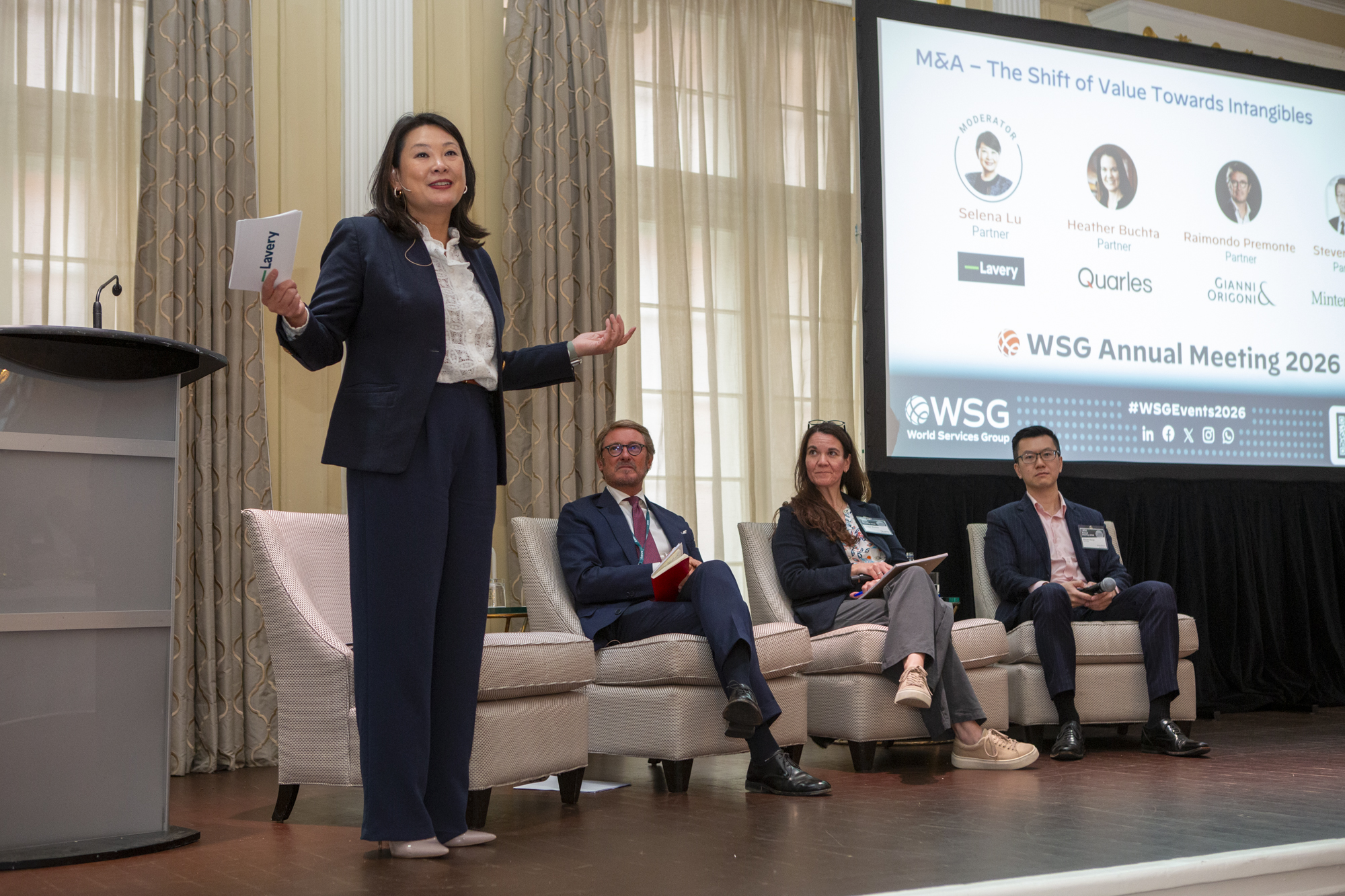
In some transactions, these assets no longer simply support the value of the business: they are the business itself. This shift is necessarily transforming how buyers assess targets and conduct due diligence. Questions no longer focus solely on historical liabilities, but increasingly on a company’s ability to protect its data and intellectual property, the robustness of its AI governance, its technology dependencies, its cybersecurity posture and its ability to retain the people who hold its critical know-how.
This new reality is also reshaping negotiations and the allocation of risk. When a significant portion of a target’s value depends on data, algorithms or digital infrastructure, representations and warranties, indemnities and post-closing obligations must evolve accordingly.
Supply Chains, Geopolitics and Resilience: Turning Uncertainty into a Business Capability
The closing discussion on supply chain security brought together several of the themes that had emerged throughout the Annual Meeting.
Moderated by Anik Trudel, CEO of Lavery, the panel brought together former Canadian Ambassador to China Guy Saint-Jacques; Pierre Gabriel Côté, former Québec Delegate General in London and former President and CEO of Investissement Québec; and Guillaum W. Dubreuil, Director, Government and External Affairs at CSL Group. Together, they examined a business environment in which supply chains themselves are becoming instruments of economic and geopolitical power.
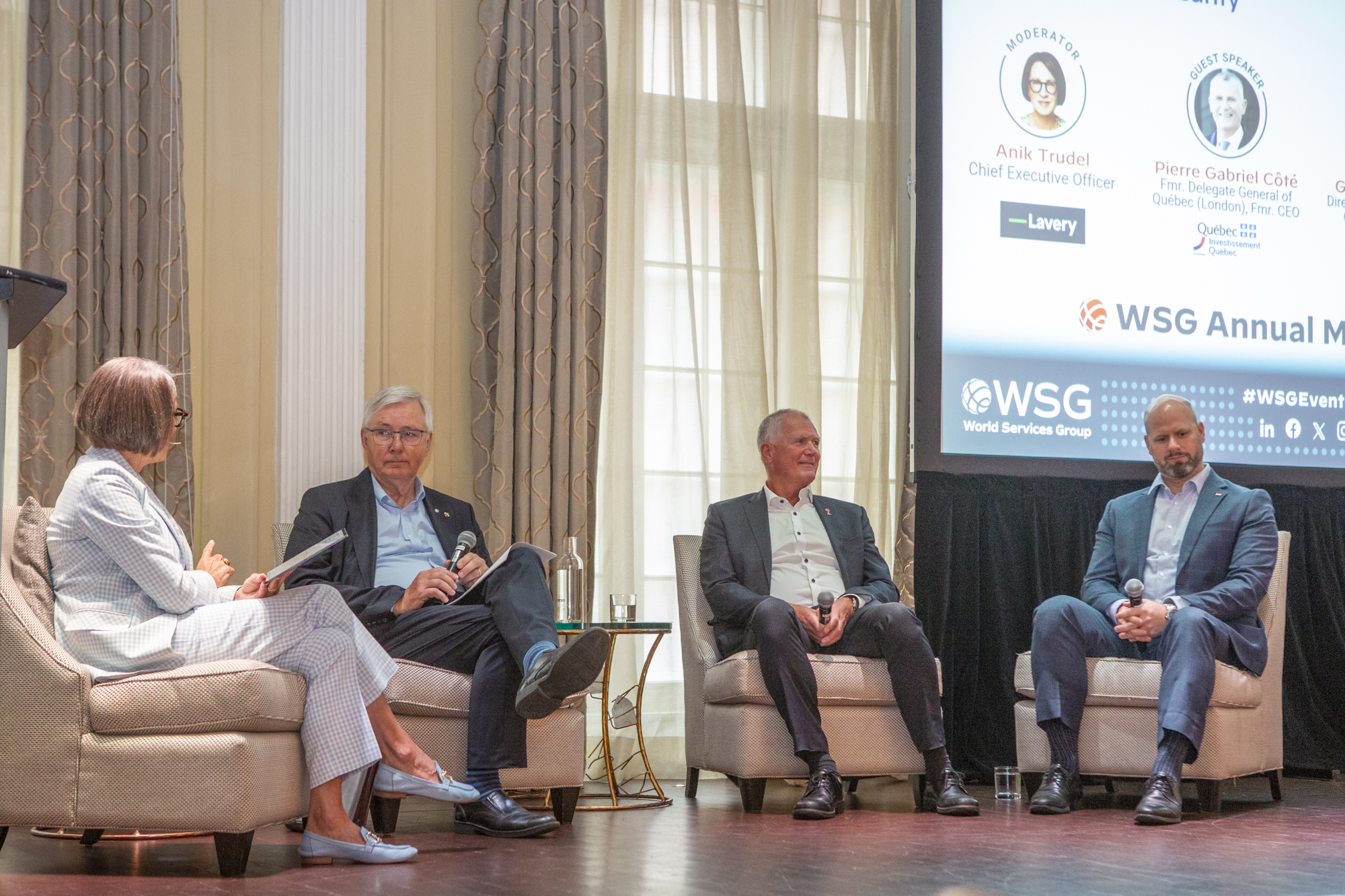
Trade wars, industrial policies, rapid regulatory changes, aging infrastructure, climate events and emerging economic alliances are making investment decisions increasingly difficult.
Yet standing still is not an option. As the discussion highlighted, organizations will need to develop contingency plans, diversify certain dependencies and improve their ability to rapidly interpret political and regulatory developments.
This reality is also transforming the role of legal advisors. Understanding the applicable law remains fundamental, but it is no longer enough. Organizations increasingly expect advisors to understand their business models, anticipate risks and help them make decisions in situations where there may not always be a clear or certain answer.
An International Conversation That Will Continue: Global Perspectives and Business Resilience
Beyond the diversity of the topics discussed, the WSG Annual Meeting highlighted a common reality: the traditional boundaries between legal, business, technological and geopolitical risk are becoming increasingly difficult to draw.
By welcoming legal professionals from around the world and distinguished guest panelists to Montréal, Lavery sought to create a forum where these different perspectives could come together.
In a more fragmented world, the quality of legal advice will increasingly depend on the ability to look beyond one’s own jurisdiction, understand the forces reshaping markets and bring together the right perspectives to help organizations move forward despite uncertainty.